By: Theresa Christine Etim
When the first annual Art Car Parade took place in 1987, no one expected the cultural impact it would have, so the same can be said for the museum when it opened its doors a decade later.
Co-founded by husband and wife Ann and James Harithas, the Art Car Museum was a needed piece of art culture when it opened its door to Houstonians in 1997, after the 10th year of the Art Car Parade.
Although the museum and the annual show share names, the Art Car Show itself is produced and sponsored by the Orange Show, a different art museum in Houston. Before the Art Car museum was established, however, the Art Car Show was the only opportunity to see Art Cars in Houston. It was for this reason that the museum was born, according to the museum’s Assistant Director Alicia Duplan.
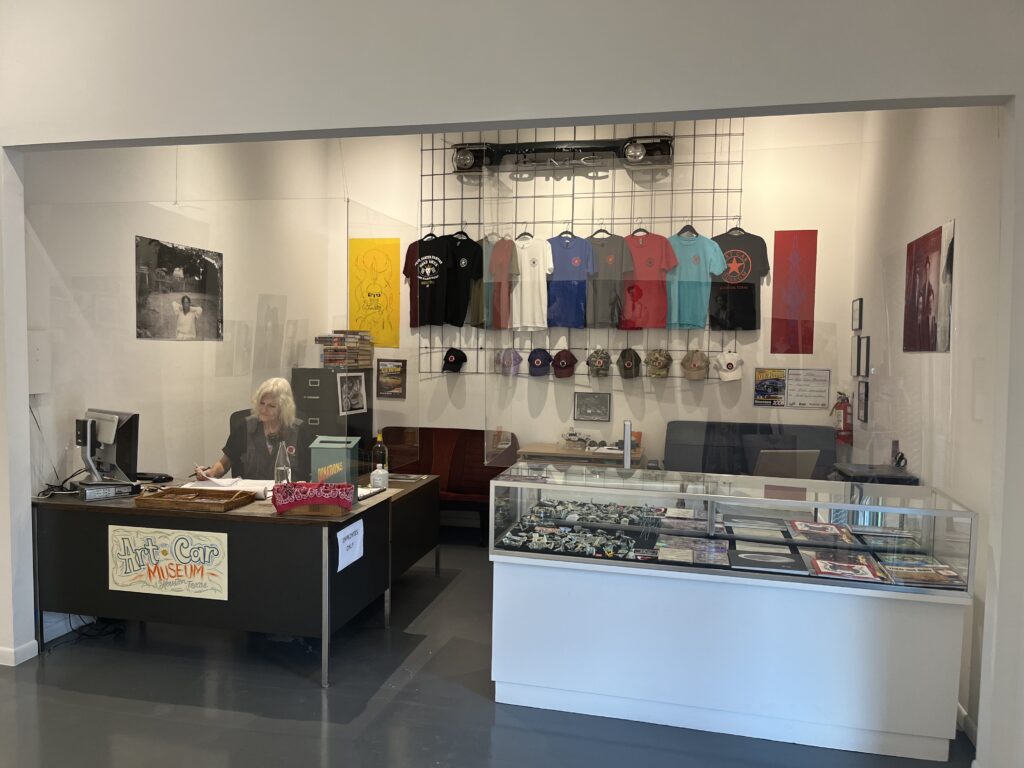
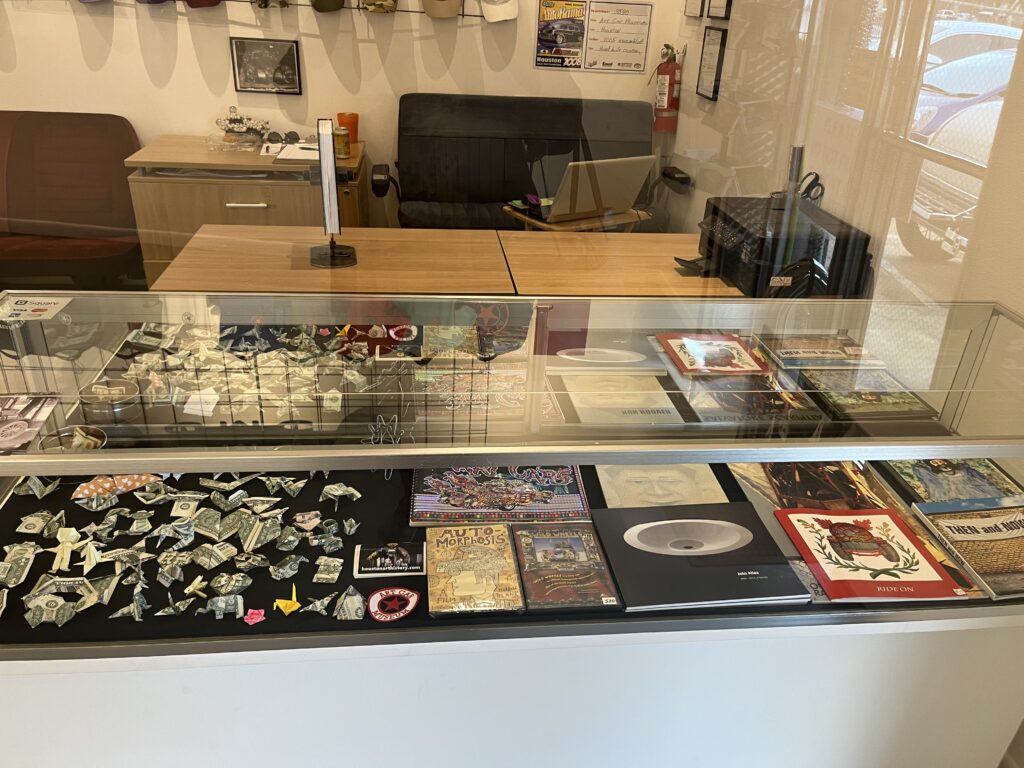
“For the most part, there [were] really no places to see Art Cars year round, [you could only see Art Cars during] parade week and there would be a lot of incoming [cars] from other states,” Duplan said. “Ann and James decided they wanted to have a place where you could see the cars year round.”
There are a total of three Art Car museums in Texas that are owned by the Harithas’: the Art Car Museum, The Station Museum of Contemporary Art, and the Five Points Museum of Contemporary Art in Victoria, Texas.
The museum aims to display the art of Houston that often gets overlooked and underrepresented. This is done by displaying the art for exhibitions that the museum showcases a few times a year.
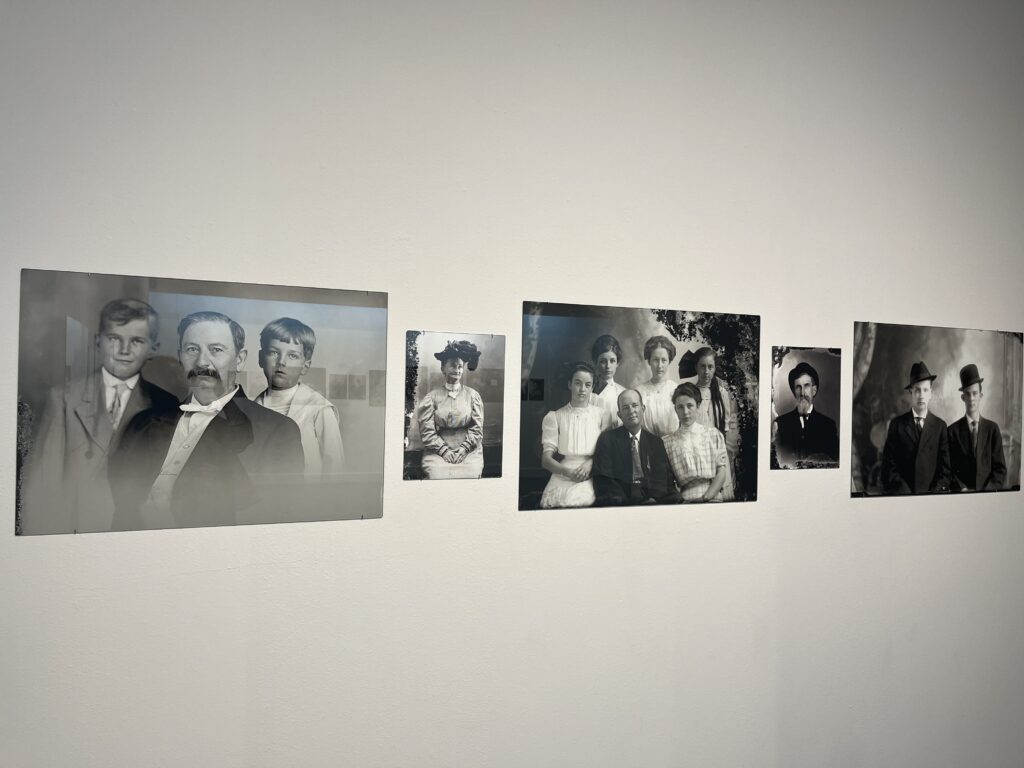
The most current one is Glimpses of the Past – Bessie Dean Parr’s Photographs of Turn of the Century, Collierville, Tennessee. This is a collection of photographs taken by photographer Bessie Dean Parr from 1913 that have been retouched, expanded and glassed for display.
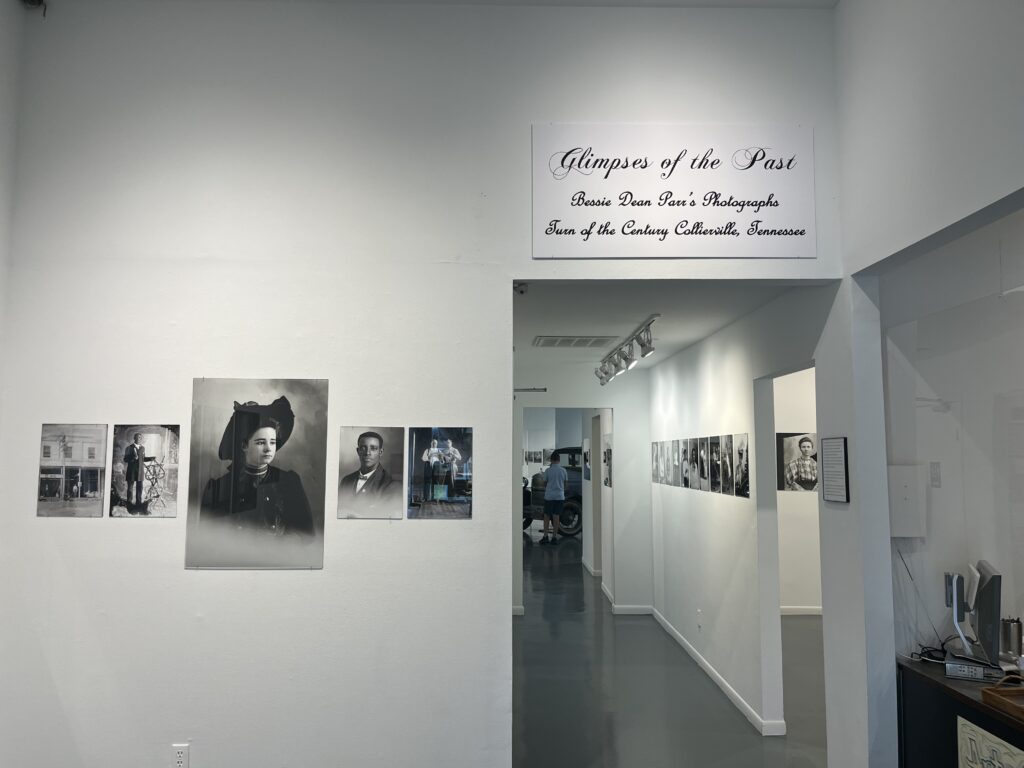
Bessie Dean Parr’s Photographs of Turn of the Century, Collierville, Tennessee on opening day Aug 20, 2022.
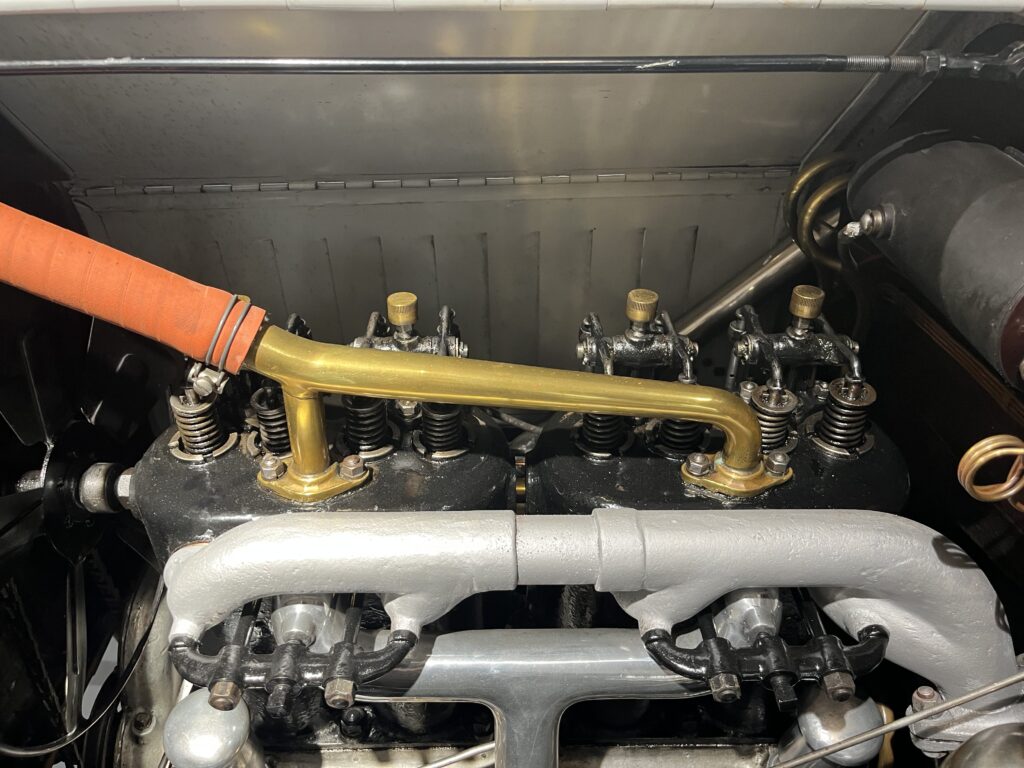
Accompanying the exhibition are antique cars from the same time period that are stationed around various parts of the museum.


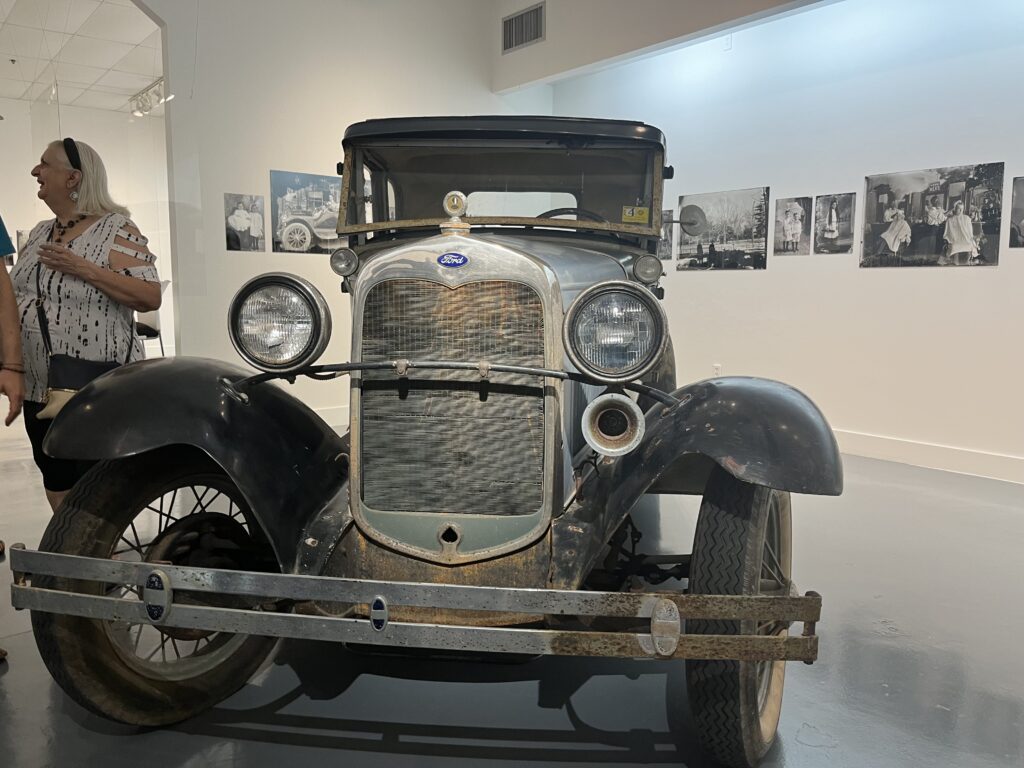

Duplan said that while they are an Art Car museum, they run showcases of various art forms.
“We have very different shows all the time, we had the sculpture show before this and [our current show] is photographs and antique cars with no Art Cars,” she said. “Our director likes to keep it fresh.”
Artists who want to be featured at the museum can always bring in photos and a proposal of their art to be considered for a group showing with other artists. One large show they host every year is the Open Call Show, a themed showcase that is open to about 80 artists.
Although this year’s date and theme are not yet determined for the Open Call, it’s these types of open opportunities that the museum is seen as a free space for creative expression from all ages, races, genders and all walks of life.
Seeing the art of this expression is what drove Artist Sam Vanbibber to become involved in the Art Car scene around 20 years ago, after closing one of her vintage shops in the area.
“I closed [my old shop] in 2001, but [when I had it], people were driving [their Art Cars] up to my shop and I was like ‘that looks like fun,’ and everybody that came in was this fun person,” Vanbibber said. “They were usually artists. We’re artists and we’re crazy. We like to have fun and just live life to the fullest because you never know when you’re going to go. I just wanted to be a part of all those people that created [art] because when you’re an artist, you hang out with the creative people. You get ideas from other people you know and it’s not to take their ideas, but it’s a collaboration. It’s always helped me. I could just be walking somewhere else and I’d get an idea.”
With turquoise hair that matched her nails, Vanbibber currently owns another vintage store and an art car called Cat Circus, a multicolored, sparkly vehicle with cats painted around the sides and the back. Art Cars come in many forms and designs, but for Vanbibber, the more outrageous, the better.
“I saw somebody else’s car and I was like ‘what the hell is that’ you know?,” Vanbibber said. “I talked to somebody and they said ‘you can do it too’ and I said ‘I know I can’ so I did.”

Shapes and patterns that have seen the likes of the Art Car Museum include multipatterned cars, multicolored bicycles and what Art Car mechanic Gary Hunt calls a “roach car” that gathers nationwide, and even famous, spectators.
“There was this car one year that looked like a roach. I called it a roach car and that was what everyone called it, because it looked just like a roach, the way it was designed and everything,” Hunt said. “Lots of people came out to see that car, but I remember there were two comedians [that came], Dave Chappelle and Larry the Cable Guy. They both really liked that car.”
While Hunt is a mechanic for the Art Cars, he maintains that he does not judge them, but just fixes them so they can be driven in the parade.

As it turns out, the parade is the most anticipated part of the Art Car scene. Actor and comedian Cheech Marin even served as Grand Marshall for the 30th anniversary of the Art Car Parade in 2017. The Grand Marshall usually picks a car to lead the parade, but Hunt said other judges typically judge the Art Cars individually.

“I know with each [car] they go through a judge and they have a few judges there,” he said. “There’s like a first place winner of Art Cars and Lowriders. There’s four categories: Lowriders, Art Cars, Contraptions and Bicycles.”
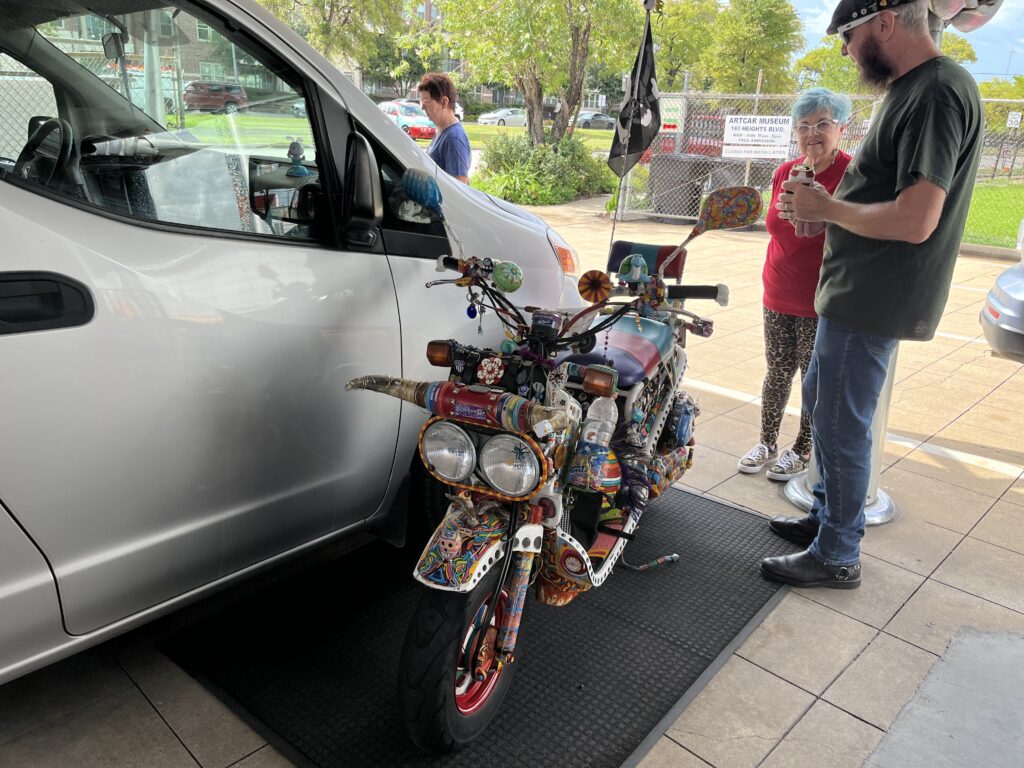
An artist who goes by Charlie currently has a scooter that he crafted into an Art Car. He bought the scooter over 15 years ago and had been decorating it since then. But what really transformed it, he said, was an accident that reshaped his vision for it.
“I bought the scooter in 2006,” Charlie said. “It just kind of grew and every year [I added] a little more and it’s been evolving over time. About four or five years ago, I got sideswiped by a car and it tore the bike up. I got some injuries from it and I survived it, thankfully, but I had to redo the whole scooter. So I had a little plan and this time what you see are the motifs and themes running through it. It’s a labor of love, I do it because I love it.”
Entering its 25th year, the museum has seen a lot of changes: technology, time, COVID-19 and the recent death of co-owner Ann Harithas who died in December 2021.
While Duplan says that the museum will forever live on in her memory, she also hopes that the museum can continue to thrive adding artistic perspective to its community and guests.
“[We hope] to continue on our mission to be a free museum [that’s] open to the public [so they can] have an experience that they won’t forget,” Duplan said. “[We hope] to continue on the same path and see how we can serve the community.”

You can visit the link below for more information on the museum.
